National Security
The Gulf of Guinea and the Limits of Presence
Naval presence deters, but it does not govern. Maritime security in the Gulf requires a legal and economic architecture on land.
Commander Foluso Ajibulu (Rtd.) · 9 June 2026 · 8 min read
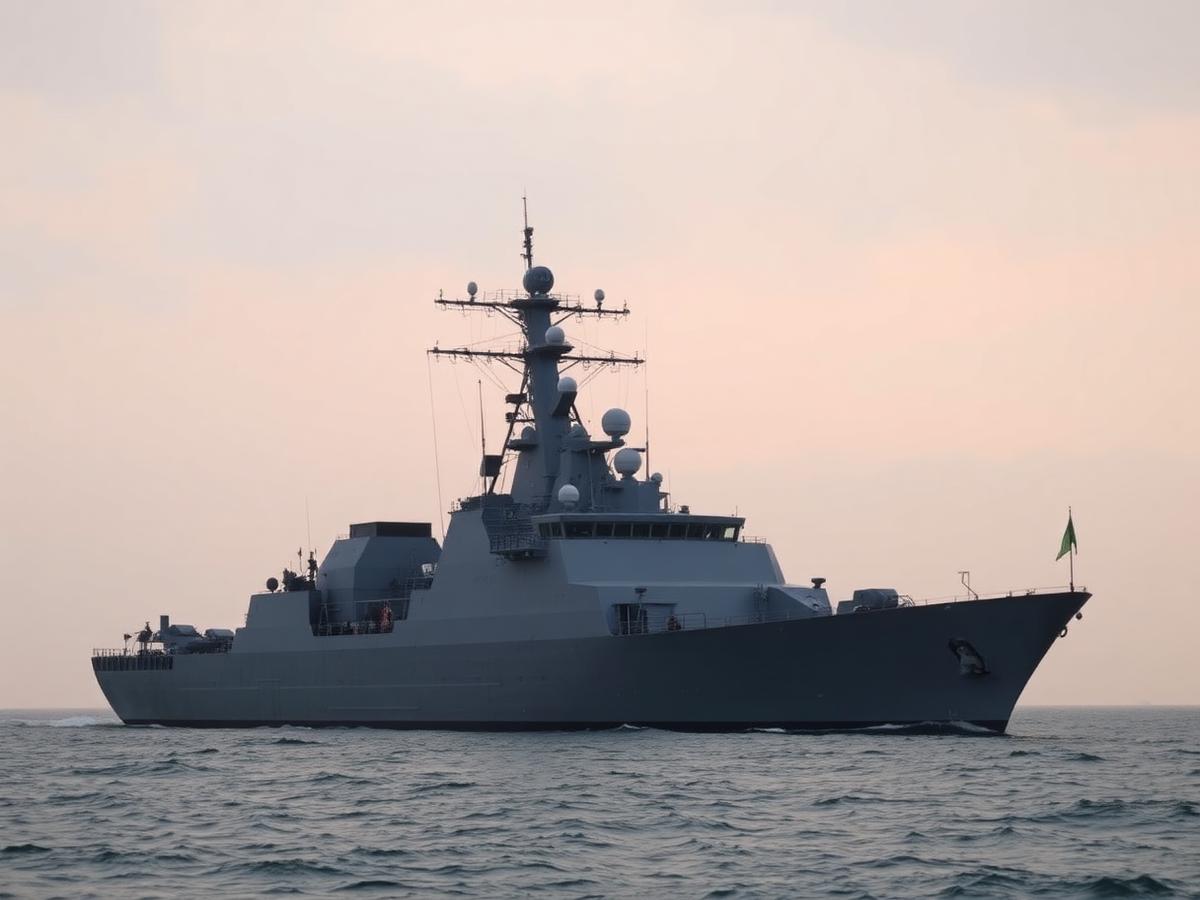
Piracy in the Gulf of Guinea is regularly discussed as a naval problem. It is more accurately a governance problem that expresses itself at sea.
Ships and patrols matter. A credible presence raises the cost of an attack and shortens the window in which one can be completed. But the men in those skiffs come from coastal communities with collapsed livelihoods, and they sell what they seize into markets that operate onshore, in daylight, with paperwork.
A serious strategy therefore runs on three tracks at once: capable and sustained naval patrol, prosecutable domestic law with courts willing to use it, and economic alternatives in the littoral communities themselves. Remove any one track and the other two erode within a few years.
Regional coordination has improved markedly, and that deserves acknowledgement. What remains underdeveloped is the unglamorous legal machinery that turns an interception into a conviction.

Commander Foluso Ajibulu (Rtd.)
Retired Nigerian Navy Commander, historian and public affairs commentator.