Politics & Governance
Why Digital Infrastructure is the Key to Africa’s Economic Future
Commander Foluso Ajibulu (Rtd.) · 19 August 2026 · 2 min read
As global populations continue to shift, nowhere is the phenomenon of rapid urbanization more pronounced than in Sub-Saharan Africa. Megacities such as Lagos, Kinshasa, and Nairobi are expanding at unprecedented rates, absorbing millions of new residents every decade. This explosive growth presents a profound dual challenge for urban planners: how to accommodate the massive influx of human capital while simultaneously upgrading colonial-era infrastructure that was never designed for such density. The traditional models of urban sprawl are proving highly inefficient, demanding a radical rethinking of city management.
Integrating Informal Settlements
A primary area of focus must be the integration of informal settlements into the formal urban economy. For too long, slum eradication policies have displaced vulnerable populations without offering viable alternatives, resulting in cyclical poverty and social instability. Modern planners are now championing “slum upgrading” initiatives—bringing clean water, reliable sanitation, and paved access roads directly into these existing communities. By providing land tenure and basic services, governments can transform these informal zones from economic drains into thriving, taxable micro-economies that contribute significantly to the city’s GDP.
Climate-Resilient Urban Development
Furthermore, the looming threat of climate change necessitates that future urban development be inherently resilient. Coastal megacities face severe risks from rising sea levels and intensified flooding, making sustainable drainage systems and green infrastructure non-negotiable elements of city planning. The implementation of mass transit systems, such as Bus Rapid Transit (BRT) and light rail, is also crucial to reducing the crippling traffic congestion and severe air pollution that plague these expanding metropolises. Ultimately, the cities that thrive in the coming century will be those that prioritize sustainable, inclusive growth over uncontrolled expansion.
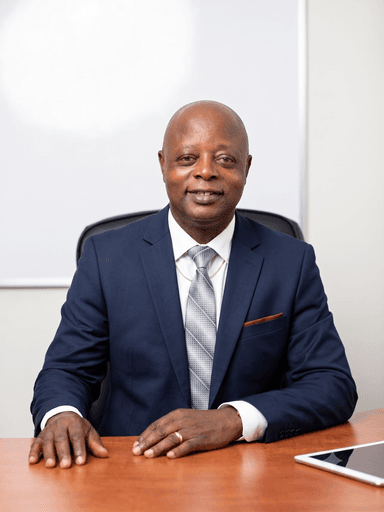
Commander Foluso Ajibulu (Rtd.)
Retired Nigerian Navy Commander, historian and public affairs commentator.